
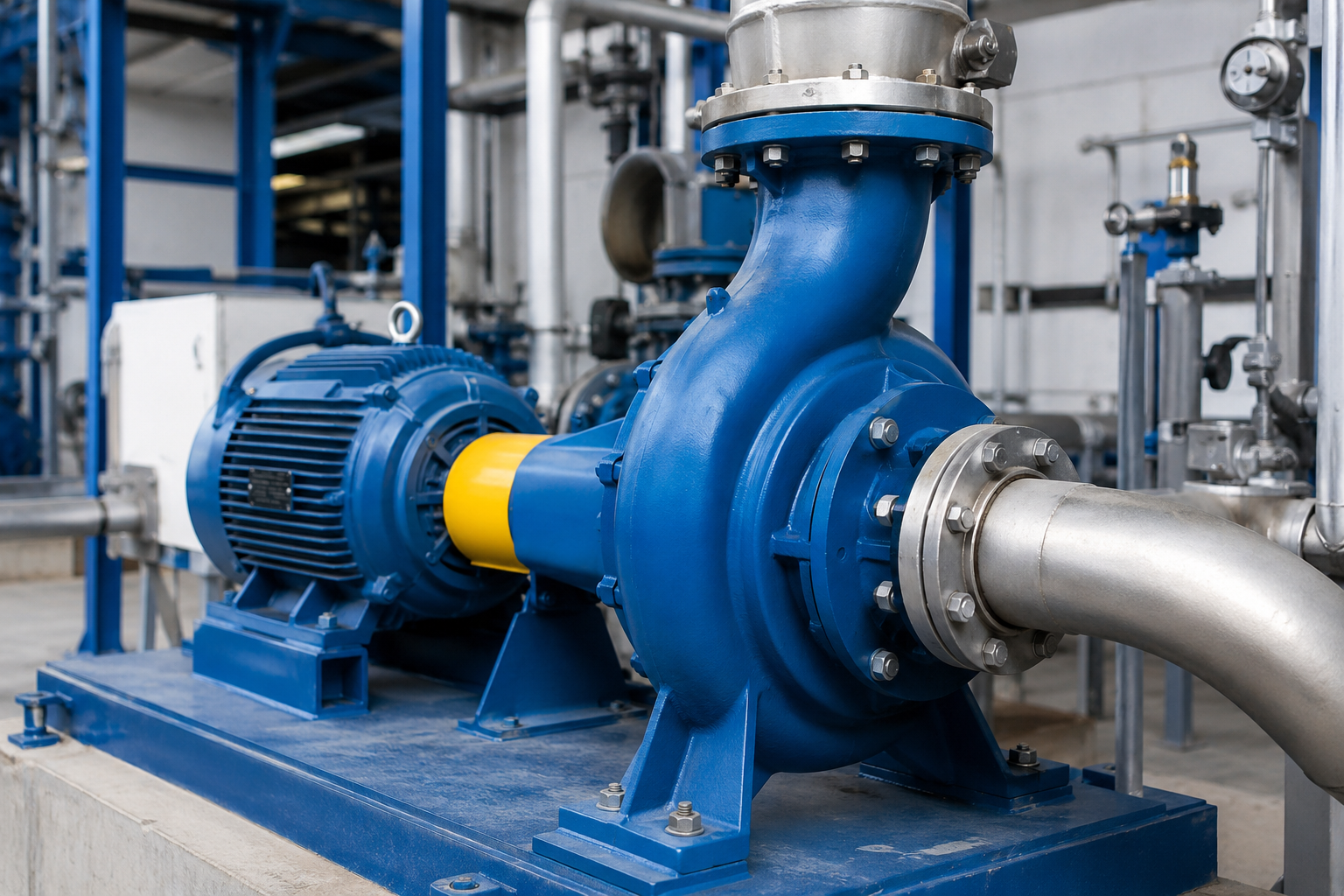
Centrifugal Pump Essentials: Performance and Reliability
Centrifugal pumps are the workhorses of industrial fluid transport. To ensure maximum uptime and lower operational costs, engineers must balance technical specifications with proactive maintenance. This document outlines the core components and common failure modes associated with centrifugal pump systems.
Core Specifications to Monitor
Understanding a pump’s operational DNA is the first step in preventing premature failure. Key data points include:
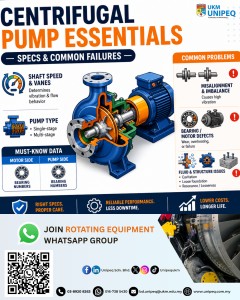
- Shaft Speed & Vanes: These determine the vibration profile and flow behavior. Operating outside the design window can lead to turbulence and mechanical stress.
- Pump Configuration: Whether Single-stage (ideal for high flow, lower pressure) or Multi-stage (designed for high-pressure applications), the pump type dictates its maintenance needs.
- Bearing Data: Keeping track of bearing numbers for both the Motor Side and Pump Side is critical for rapid replacement and ensuring parts compatibility.
Understanding Common Failures
Most pump failures aren’t random; they are the result of specific mechanical or hydraulic issues. The following table summarizes frequent problems encountered in the field:
| Failure Category | Primary Causes | Impact
|
| Mechanical Alignment | Misalignment & Imbalance | Excessive vibration; premature seal and bearing wear. |
| Component Defects | Bearing or Motor issues | Overheating, wear, and eventual total motor failure. |
| Hydraulic & Structural | Cavitation, Loose Foundation, Resonance | Internal pitting of the impeller; structural instability and high noise levels. |
The Path to Reliability
Achieving a longer equipment life cycle and lower costs comes down to three pillars:
- Right Specs: Ensure the pump is correctly sized for the application (proper care).
- Reliable Performance: Implementing a routine vibration analysis and lubrication schedule to ensure less downtime.
- Stability: Ensuring a solid foundation to prevent resonance and looseness, leading to lower costs and longer life.
Note: Vibration is often the first “symptom” of a problem. If your pump starts vibrating more than usual, check the alignment before the bearings fail.